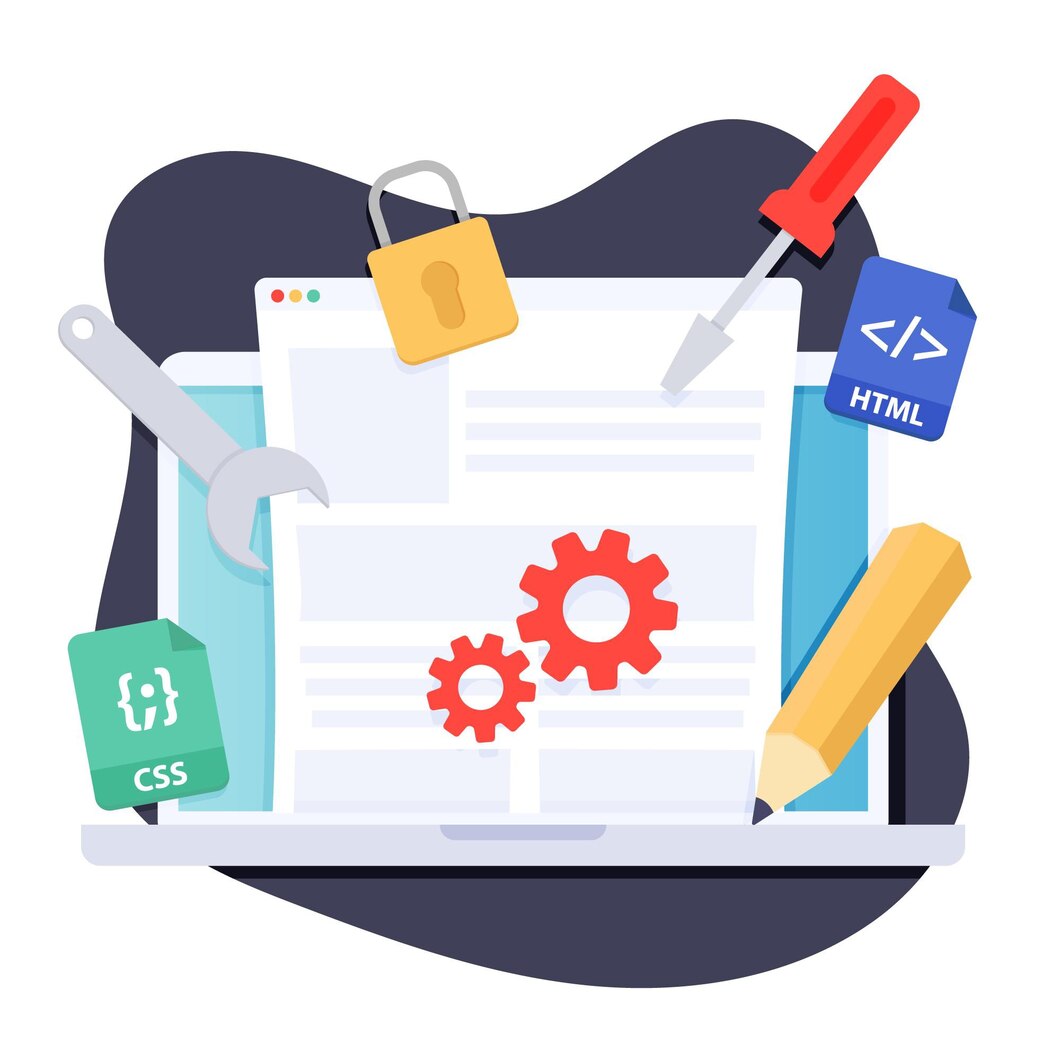
Understanding On-Page SEO and Why It Matters for Syracuse Businesses
What is on-page SEO?
On-page SEO refers to the process of improving the elements on a webpage so search engines and people can better understand it. It includes the words you write, the way your website content is structured, the title tag, meta description, header tags, images, URL structure, and internal linking. In other words, it enables a page to feel more relevant, easier to crawl, and more useful for the user.
For search engine optimization, on-page SEO plays a direct role in search engine rankings because it shows what a page is about and whether it matches user intent. Strong on-page work strengthens crawlability, indexability, and overall visibility in organic search. It also improves user experience, which can influence engagement, bounce rate, and conversions.
Consider on-page SEO as the part of optimization you can manage inside the page itself. If you run a local law office, dental practice, restaurant, or home service company in Syracuse, your page needs to clearly tell visitors and search engines what you offer, where you serve, and why you are the right choice.
The reason on-page SEO makes a difference for Syracuse, NY businesses
For Syracuse businesses, on-page SEO is often the difference between getting found in local search and getting buried under competitors across Central New York. When someone searches on Google for “plumber near me,” “best Italian restaurant in Syracuse,” or “family lawyer Syracuse NY,” the pages with more effective optimization are more likely to appear in Google search results.
This counts because local customers usually review nearby providers quickly, often on mobile, and often before making a call or booking an appointment. That means your site needs more than a nice design. It needs the right ranking signals to support competitive visibility against businesses in Downtown Syracuse, Eastwood, University Hill, and surrounding areas like Liverpool, DeWitt, and Camillus.
Local intent also shapes how content should be written. A Syracuse healthcare clinic, for example, may need location pages, service details, and trust signals. A restaurant might need menu pages, neighborhood references, and strong image optimization. A professional services firm may need clearer proof of expertise, service area coverage, and strong calls to action. On-page SEO helps all of that work together.
How on-page SEO integrates with web design
Web design and on-page SEO must not be treated as distinct projects. Good website architecture boosts SEO by helping users and search engines to navigate the site. Clear navigation, well-structured content hierarchy, and specific pages help search engines understand topical relevance and help visitors find what they need faster.
Page speed is another major factor. A slow website can hurt engagement and increase bounce rate, especially for mobile users searching in a hurry. In Syracuse, where many people search while commuting, comparing service providers, or looking for immediate help, fast-loading pages matter. Performance is part of the overall page experience.
Mobile-friendly design is also important. Google uses mobile-first indexing, so a site that works well on smaller screens has a better chance of performing well. Buttons should be simple to tap, text should be readable, forms should be simple, and pages should load properly on phones and tablets. For local businesses, this can directly affect calls, appointments, and quote requests.
Strong design also helps with conversion rate optimization. A well-structured homepage, service page, or landing page can guide users to the next step, whether that is calling, booking, or submitting a form. In other words, on-page SEO and web design work together to boost both traffic and conversions.
What page components impact on-page SEO?
Several on-page factors influence how well a page ranks. The most important include title tags, meta descriptions, header tags, internal links, and supporting items like image optimization and schema. Every element helps search engines read the page and guides users know what they will get from the content.
Title tags should clearly describe the page topic and include the main phrase naturally. A effective title tag can boost clicks from search results. The meta description does not directly rank pages by itself, but it can boost click-through rate by summarizing value in a engaging way.
Header tags divide the page into sections, making the content easier to scan. A good H1 introduces the main topic, while H2s and H3s break up supporting ideas. This enhances readability and supports content hierarchy.
Internal linking helps users to move between related pages and supports search engines understand relationships across the site. A service page can link to a related blog post, a location page, or a contact page. This reinforces topical relevance and supports topic clusters.
Other page elements matter too:
- image alt text assists search engines and accessibility tools understand visuals
- URL structure should be short, clear, and descriptive
- schema markup adds structured data that can strengthen how a page is understood in search
- external links can strengthen credibility when used carefully
Overall, these elements enhance clarity, crawlability, and relevance. They also support the user’s journey by making the page easier to navigate and trust.
How do keywords work in on-page optimization?
Keywords remain important, but modern SEO is https://spencerport-ny14464xc981.readspirex.com/posts/family-oriented-activities-in-syracuse-ny-with-kids less about repeating one phrase and more about matching search intent. The primary keyword indicates what the page is mainly about, while keyword research helps discover related phrases people actually use. A well-optimized page uses the primary term naturally and includes semantic keywords that mirror the broader topic.
Strategic keyword placement needs to read naturally. Include the primary term in the page title, H1, introductory paragraph, and a handful of relevant sections if it fits the copy. Then reinforce it with relevant keywords that search engines can connect through contextual search. This allows the page seem comprehensive rather than redundant.
Sunstone Digital Tech201 E Jefferson St, Syracuse, NY 13202
(315) 758-3349
https://maps.app.goo.gl/LNcnKZaUXSqxHPoT8
https://sunstonedigitaltech.com/
43.0471862, -76.1504376

As an example, a Syracuse roofing company might target a primary term like “roof repair Syracuse NY” and support it with related phrases such as emergency roof leak repair, asphalt shingles, storm damage, and Central New York service areas. That mix shows search engines the page aligns with user intent while still reading naturally.
Good keyword use also enhances relevance for area-based search results. A restaurant page may need neighborhood references, cuisine types, reservation terms, and menu-related language. A lawyer or accountant may need industry-specific keywords plus trust-building language. The best pages respond to the question the searcher is really asking, not just the words they used.
What signals from content enable pages rank well?
Search algorithms favor pages that offer real benefit. That means, quality of content is one of the key ranking factors. Strong content is easy to read, useful, complete, and written for humans first. It responds to questions directly, addresses objections, and guides the visitor take action.
Relevance to the topic matters too. A page should stay aligned on one main subject while also including related subtopics that help it feel well-rounded. This is the role of topic clusters can help. Rather than one thin page trying to cover everything, you can create a core service page supported by related articles and location pages.
E-E-A-T is an additional major signal. It stands for experience, expertise, authoritativeness, and trustworthiness. For Syracuse healthcare, legal, financial, and home service businesses, E-E-A-T can be strengthened through credentials, reviews, author bios, local proof, detailed service explanations, and accurate information.
Up-to-date content also matters. Some pages need regular updates to stay accurate, especially if services, pricing, hours, regulations, or local offerings change. Updating content can increase trust and keep the page aligned with current search intent.
Good content signals also improve engagement. If visitors stay longer, scroll more, click related links, and take action, it suggests the page is helping them. That can support better performance over time.
How can SEO services enhance on site performance?
Professional seo services can turn on-page SEO more powerful by bringing organization, experience, and consistency to the process. Many business owners understand they need better rankings, but they do not have time to examine every tag, paragraph, and technical issue. That is where specialized support becomes important.
Technical optimization is often the initial step. This can include resolving crawl errors, improving page speed, streamlining URL structure, implementing schema markup, and making sure the site is mobile-friendly. These changes help search engines reach and interpret the site more efficiently.
Content optimization is also important. SEO specialists can rewrite pages to better align with search intent, improve internal linking, adjust header structure, and make sure the copy includes relevant semantic terms without sounding forced. They can also improve calls to action so the page supports conversion rate optimization.
Performance audits help spot where a page is lagging. An audit may show that a title tag is too vague, a meta description is missing, a page has thin content, or important internal links are absent. For Syracuse companies competing in crowded local search results, these fixes can deliver meaningful gains in visibility and organic traffic.
How do digital marketing and AI experts support on-page SEO?
Digital marketing teams support on-page SEO integrate into a larger plan rather than operating in a vacuum. A page should reinforce the business’s overall goals, whether that means generating leads, online bookings, phone calls, or foot traffic. SEO, paid media, email, and social content should all echo the same positioning and brand positioning.
ai experts can also support on-page work by accelerating research, finding content gaps, and detecting patterns in analytics. AI can help analyze search intent, cluster related topics, or suggest supporting questions people ask. Used well, it can enhance content strategy without replacing human judgment.
For Syracuse businesses, this combination is especially useful. A home services company may need pages targeting multiple neighborhoods and service types. A medical practice may need educational content that supports trust and local relevance. A restaurant might need seasonal updates, menu changes, and content tailored to nearby customers searching on mobile. Digital marketing and AI-driven analysis help keep that content aligned with business goals and search demand.
Analytics tie everything together. By reviewing traffic, clicks, calls, form submissions, and behavior data, marketers can see what content is working and where users are dropping off. That makes on-page SEO a measurable process, not just a creative one.
What are common on-page SEO mistakes to avoid?
Some of the most common mistakes are easy to make but can hurt performance. One is keyword stuffing, which makes content read unnaturally and can undermine trust. Search engines want useful language, not repeated phrases forced into every sentence.
Another issue is duplicate content. If multiple pages say the same thing, search engines may struggle to decide which one should rank. This is especially common when businesses create multiple service or location pages without enough unique value.
Sparse content is another problem. A page with only a handful of broad sentences will usually not rank well against pages with more substance, expertise, and direct answers. This is a major issue for businesses that want to rank in local search but do not fully explain their offerings or coverage area.
Dead links can also hurt visitor experience and crawlability. If visitors hit broken pages, they are less likely to trust the site or continue exploring. That can reduce engagement and limit the page’s ability to support conversions.
Other errors include poor image optimization, weak internal linking, missing schema markup, and pages that are not mobile responsive. Avoiding these issues helps protect authority and keeps the site more usable.
FAQ: On-page SEO for Syracuse websites
What is on-page SEO in simple terms?
On-page SEO is the process of improving the parts of a webpage that you control so it can rank better in search engines and be easier for visitors to use. It includes content, tags, headings, links, images, and page structure. For Syracuse businesses, it helps a website attract local customers searching for nearby services.
What are the most important on-page SEO factors?
The most important factors usually include the title tag, meta description, header tags, URL structure, internal linking, content quality, keyword relevance, mobile responsiveness, page speed, and schema markup. Together, these elements improve relevance, crawlability, and user experience. Strong E-E-A-T and clear search intent alignment also play a major role.
How does on-page SEO help Syracuse businesses get more local traffic?
On-page SEO helps Syracuse businesses appear in local search results by making it clear what they do, where they are located, and which services they offer. It supports visibility for people searching on mobile while comparing nearby providers in Syracuse, Eastwood, University Hill, and other Central New York areas. Better optimization can lead to more clicks, calls, and visits.
How frequently must on-page SEO get updated?
On-page SEO should be assessed on a routine basis, especially when services change, new competitors appear, or search behavior shifts. Many businesses update key pages every few months and review them during content audits. Freshness matters because search intent, local competition, and ranking factors can change over time.
Can AI experts help improve on-page SEO?
Yes. AI experts can help with keyword research, content strategy, topic clustering, and analytics review. They can help identify opportunities faster and spot patterns in organic traffic and engagement data. Human editing is still important, but AI can make on-page SEO more efficient and more scalable for modern digital marketing.